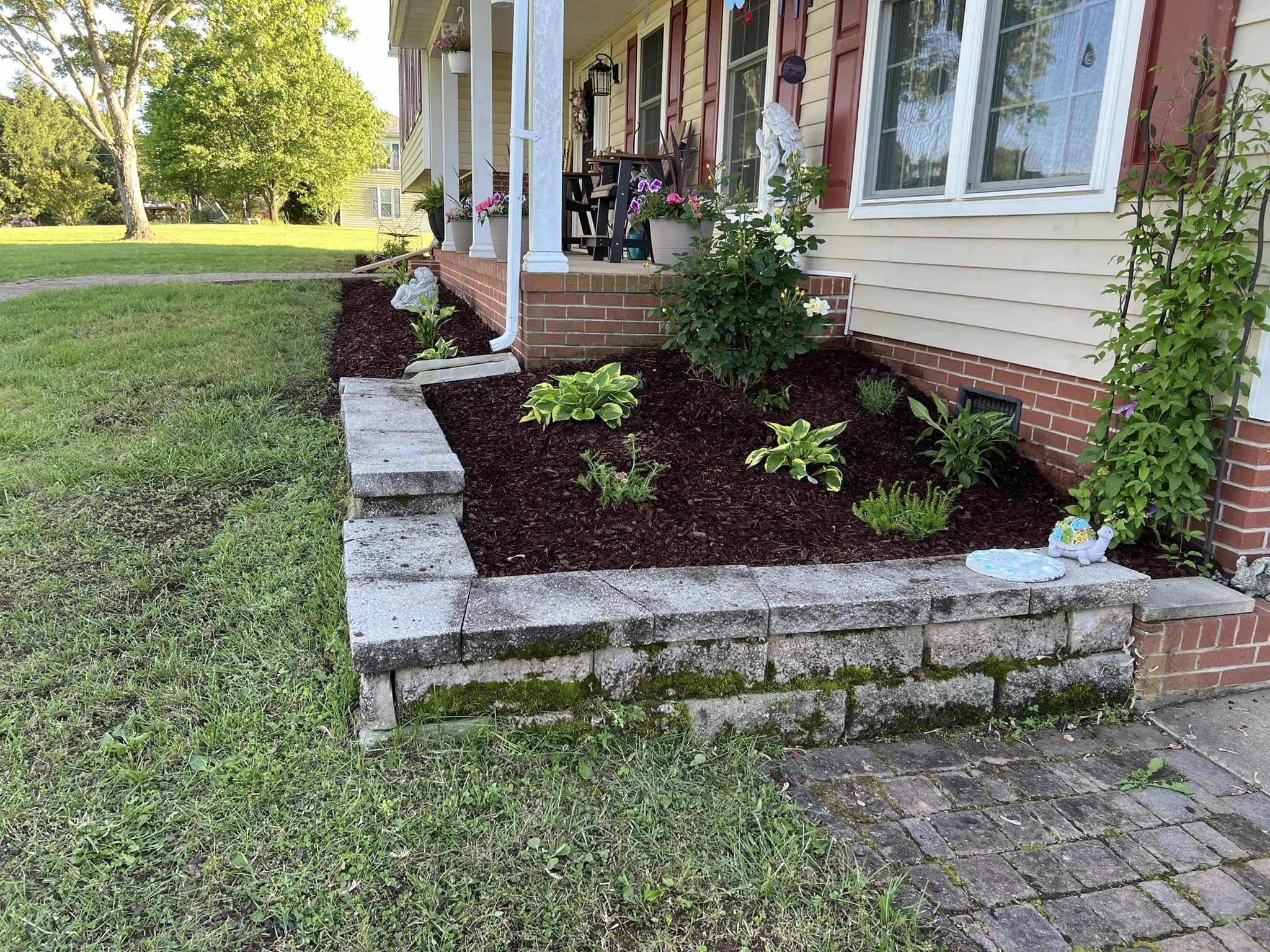
The Ultimate Guide to Vertical Gardening for Limited Spaces Jun 11, 2026
Understanding Vertical Gardening
Vertical gardening involves growing plants upwards using structures like trellises, poles, or stacks. This method not only saves space but often creates a stunning visual effect that can enhance any exterior area. It's an ideal option for anyone wishing to add layers of greenery without requiring a large footprint.
Benefits of Vertical Gardens
Vertical gardens provide a multitude of benefits, from aesthetic enhancements to practical advantages. They increase plant diversity which can help prevent pests and diseases. Vertical structures also improve air circulation around plants, reducing the likelihood of fungal problems. Moreover, vertical gardens can act as natural air purifiers, reducing pollution and making your environment healthier.
Selecting the Right Plants
Choosing the right plants is crucial for a successful vertical garden. Consider the light conditions of your space—some plants thrive in full sun, while others prefer shaded areas. Herbs like basil, rosemary, and thyme are perfect for vertical spaces and come with the bonus of being handy for culinary use. Flowering plants, such as petunias and nasturtiums, add color and visual appeal. For vegetable options, try growing cherry tomatoes, peas, or zucchini, which do well on trellises.
Setting Up Your Vertical Garden
First, assess your space to determine the type and size of the vertical structure that will suit your needs. Consider wall-mounted planters for balconies or small yards and freestanding systems for larger areas. Ensure that your chosen structure is sturdy enough to support the weight of the soil and plants. Ridgewood Lawn Care LLC can assist in selecting durable and efficient gardening systems perfectly tailored to your space.
Next, prepare your soil with a rich mix of organic matter to ensure healthy plant growth. Many vertical gardening kits come with recommendations for soil types and mixtures, making this step easier.
Watering and Maintenance
One of the key aspects of maintaining a vertical garden is ensuring proper watering. Plants grown vertically can dry out faster than those in the ground due to exposure to wind and sunlight. Consider installing drip irrigation systems, which make watering more efficient and consistent. Regularly check your plants for signs of stress or nutrient deficiency, and make necessary adjustments to maintain their health.
Conclusion
Vertical gardening is a fantastic solution for anyone with limited space who still wants to enjoy the benefits of gardening. By utilizing upward space, you can cultivate a variety of plants, create a more sustainable environment, and enhance your outdoor aesthetic. Ridgewood Lawn Care LLC is here to support you through every step, from selecting the right plants to setting up and maintaining your beautiful vertical garden. Embrace the potential of your space and transform it into a thriving green sanctuary.
/filters:no_upscale()/filters:format(webp)/media/75a4730c-b547-48d1-b58c-a17fce880f61.jpeg)
/filters:no_upscale()/filters:format(webp)/media/d37cd483-a99a-4592-86c4-3e97bda5ef24.jpeg)