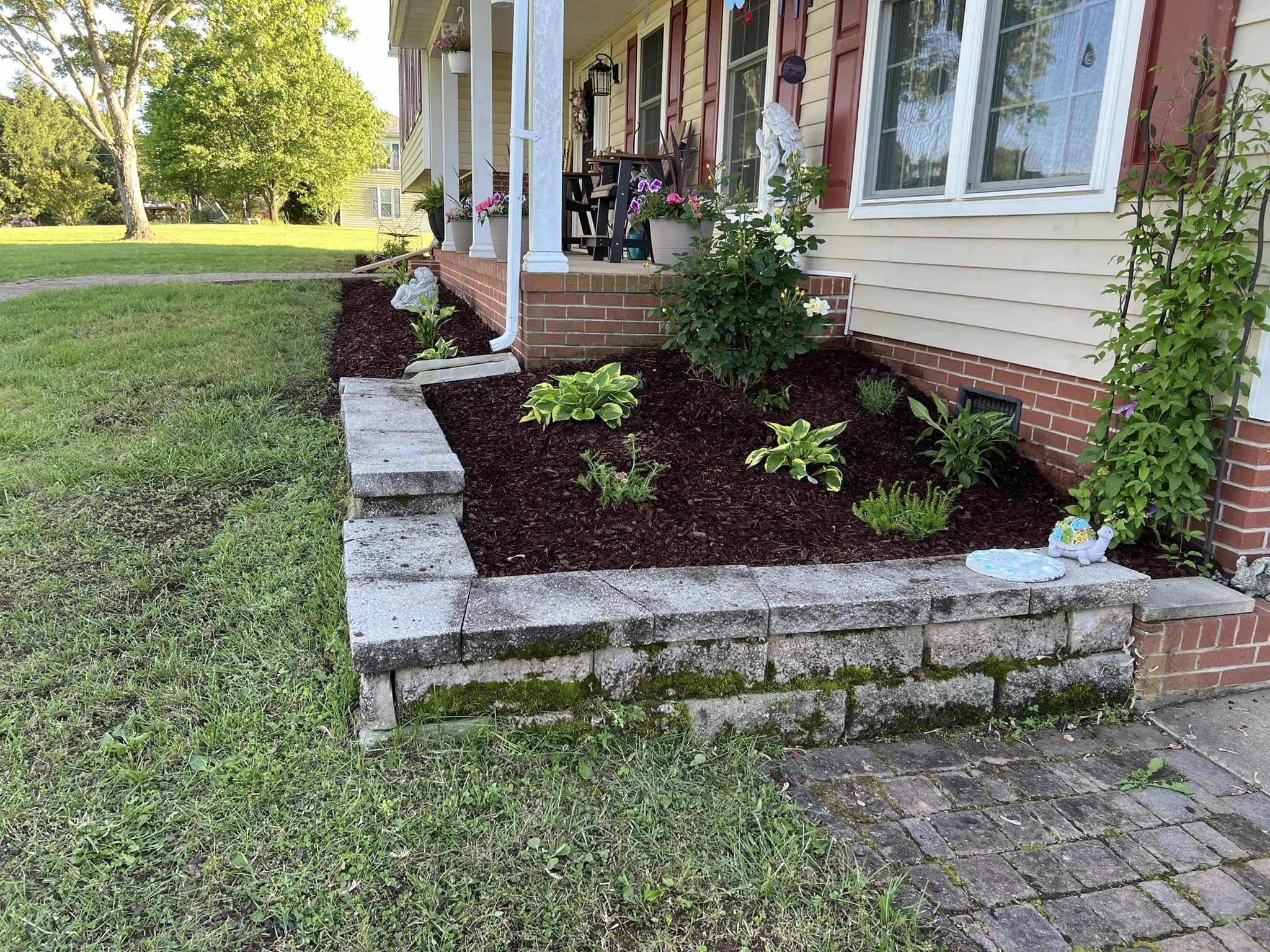
The Beauty of Symbiosis: Designing Landscapes with Pollinator-Friendly Plants Feb 28, 2026
Pollinators play an essential role in nature by transferring pollen from one flower to another, allowing plants to reproduce. However, with growing urbanization, pollinator habitats are increasingly being lost, leading to a decline in their populations. By incorporating pollinator-friendly plants into your yard, you create a safe haven for these crucial creatures while boosting the vitality and visual appeal of your landscape.
Choosing the right plants is key to designing a pollinator-friendly landscape. Native plants are your best option, as they are already adapted to the local climate and soil conditions. Plants like milkweed, coneflowers, and black-eyed susans are excellent choices that attract a variety of pollinators and provide them with nutrition. Herbs such as lavender, sage, and rosemary offer dual benefits; they are attractive to pollinators and useful for culinary purposes as well.
Diversification is crucial when selecting plants. A mix of flowering plants that bloom at different times of the year will ensure that pollinators have a steady supply of food throughout seasons. Additionally, choose plants with various shapes, sizes, and colors. This variety appeals to different types of pollinators, each with unique preferences regarding the flowers they visit.
Creating a welcoming environment for pollinators goes beyond plant choice. Providing a clean water source is essential. A shallow dish with water and some pebbles can serve as a perfect drinking spot. Consider minimizing your use of chemical pesticides and fertilizers, as these can be harmful to pollinators. Opt for organic options when pest control is necessary.
When designing your landscape, think about structure and accessibility. Group plants in clusters to make it easier for pollinators to locate them. Vary the height of your plants to mimic their natural habitat, which often includes layers of ground cover, mid-sized plants, and trees. This not only enhances the visual complexity of your landscape but also offers different layers for pollinators to live and feed in.
At Ridgewood Lawn Care LLC, we encourage homeowners to explore the use of vertical spaces. Climbing plants like honeysuckle or ivy can add dimensions of habitat for pollinators, making the most of every space in your garden. If space is a constraint, container gardening is another effective method to contribute to pollinator support without requiring a large yard.
Investing in a landscape designed with pollinator-friendly plants provides numerous benefits. It creates serene outdoor spaces that are bustling with life and health benefits for the entire ecosystem. You contribute to preserving biodiversity, support food production, and enjoy the personal satisfaction of nurturing nature in your backyard.
Aligning your landscaping efforts with the needs of pollinators is a fulfilling endeavor that Ridgewood Lawn Care LLC is ready to assist you with. Our expertise in eco-friendly landscape design ensures your garden becomes a vibrant hub of activity and beauty while helping the environment thrive. Join us in this symbiotic journey, ensuring a better tomorrow for our pollinator friends and ourselves.
/filters:no_upscale()/filters:format(webp)/media/75a4730c-b547-48d1-b58c-a17fce880f61.jpeg)
/filters:no_upscale()/filters:format(webp)/media/d37cd483-a99a-4592-86c4-3e97bda5ef24.jpeg)