Allergen-Conscious Gardens: Plant Selection for a Breath-Easy Yard Apr 12, 2026
When planning your allergy-friendly garden, it's essential to understand which plants are less likely to spark adverse reactions. Many common garden plants release pollen that can trigger allergies, but with careful selection, you can minimize exposure and enjoy a sneeze-free yard.
Start by focusing on plant gender. Male plants are heavier pollen producers, and opting for female varieties whenever possible can significantly reduce pollen in your yard. Female plants capture pollen rather than releasing it, helping to keep the air clearer. For instance, in the case of trees, choose female holly trees over male ones, as they will not produce allergenic pollen. Transitioning to low-pollen grasses can also make a substantial difference. Consider fescue or buffalo grass, known for minimal pollen release.
Incorporating vibrant, allergy-friendly flowering plants is another strategy. Bright, showy flowers such as roses, tulips, and pansies generally have heavier pollen that does not easily become airborne. These plants are not only visually appealing but are also less likely to contribute to airborne allergens. Moreover, opting for plants that are pollinated by insects rather than wind ensures that the pollen remains contained, reducing the likelihood of it affecting allergy sufferers.
Another aspect of designing an allergen-conscious garden involves the strategic use of ground covers and hedges. Low-growing plants and hedges can act as a barrier, trapping pollen and reducing its transfer through the air. Consider using ground covers like purple sage or creeping thyme to achieve an aesthetically pleasing and functional landscape feature.
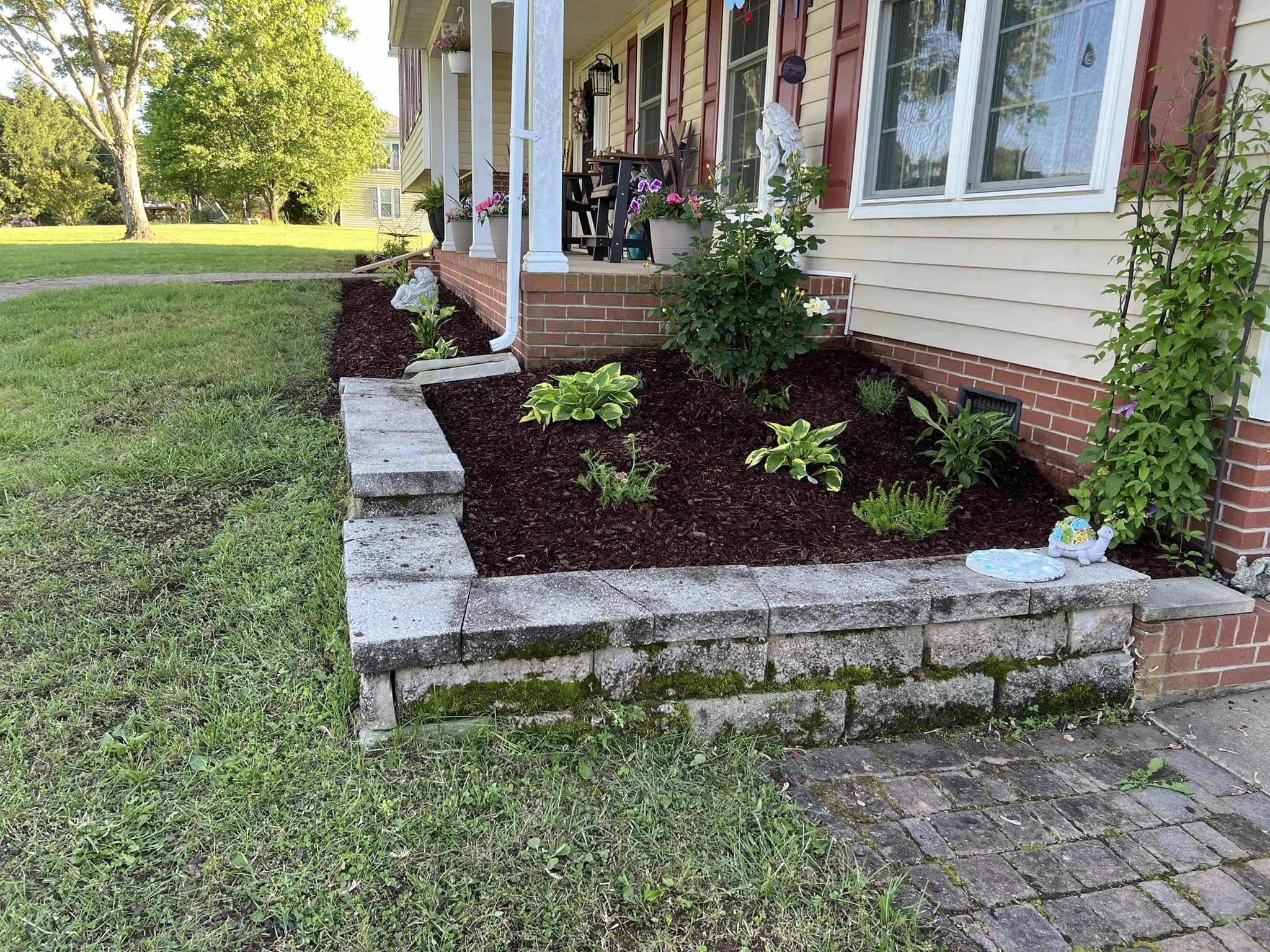
Additionally, adopting certain maintenance practices can further decrease allergen levels in your garden. Regularly removing weeds, trimming trees and bushes, and maintaining your garden beds can prevent the overgrowth that contributes to excess pollen. Utilize mulch to cover soil, which can help suppress weed growth and further limit pollen distribution.
Consider implementing water features, which can be both decorative and functional. Ponds, waterfalls, and other water elements increase humidity levels, effectively weighing down pollen and minimizing its presence in the air. These features can create a serene garden atmosphere while helping to alleviate allergy symptoms.
At Ridgewood Lawn Care LLC, we are committed to providing our customers with expertly curated gardens that accommodate specific health needs. Our experienced team is equipped to help you design and maintain an allergen-conscious garden that complements your lifestyle and enhances your outdoor living space. With a strategic plant selection and diligent care, you can transform your yard into a breath-easy oasis for relaxation and enjoyment.
In conclusion, an allergen-conscious garden not only contributes to lower allergy symptoms but also enriches your outdoor experience. By making thoughtful plant selections and adopting mindful gardening practices, you can create a sanctuary that promotes health and well-being. With Ridgewood Lawn Care LLC by your side, achieving a beautiful, allergy-friendly garden is simpler than ever. Contact us today to start planning your breath-easy yard and take the first step toward enjoying your outdoor space to the fullest.
/filters:no_upscale()/filters:format(webp)/media/75a4730c-b547-48d1-b58c-a17fce880f61.jpeg)
/filters:no_upscale()/filters:format(webp)/media/d37cd483-a99a-4592-86c4-3e97bda5ef24.jpeg)